
The redesign and development of the official Élysée Palace website stands as one of the most ambitious institutional digital projects undertaken in France. The mission was clear yet complex: to create a comprehensive digital ecosystem worthy of the French Presidency, a platform that would serve simultaneously as a communication tool, a historical archive, a civic gateway, and a cultural showcase for one of the world's most storied institutions.
The scope extended far beyond a single website. The project encompassed the full suite of digital touchpoints, desktop, tablet, and mobile applications, demanding a seamlessly responsive architecture that could carry the weight of presidential authority while remaining accessible and engaging to every citizen.
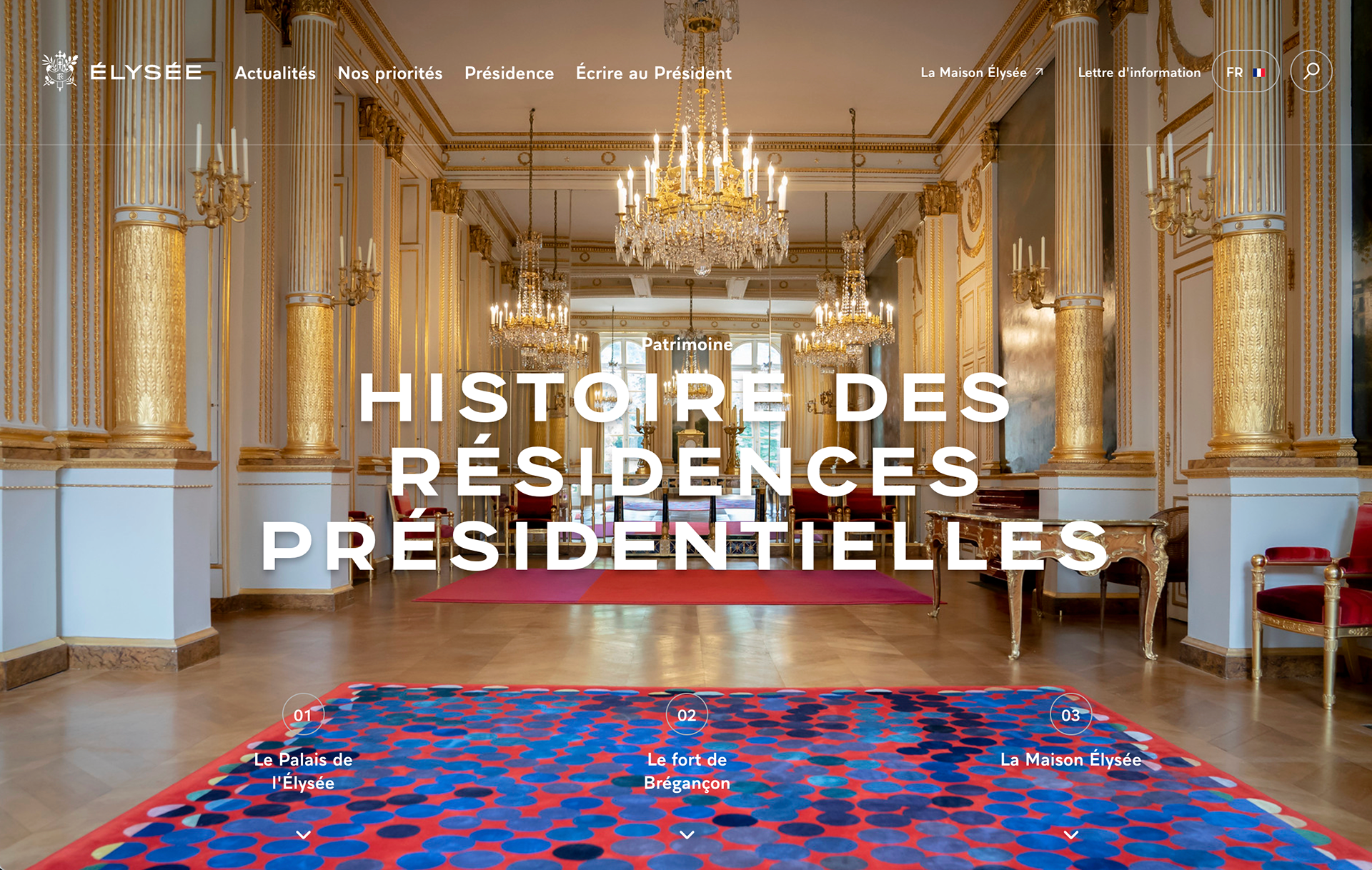
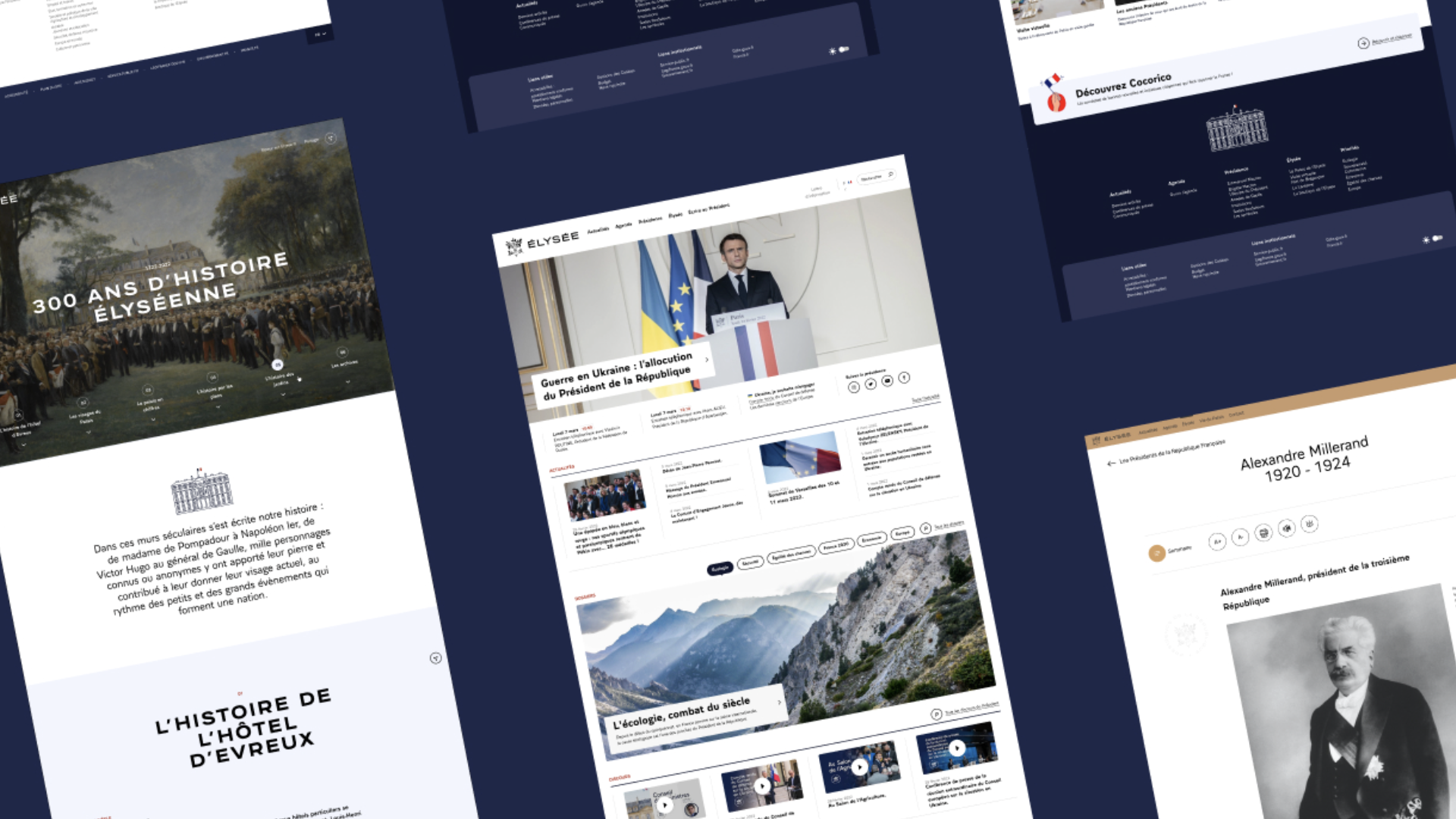
A project of this scale and political sensitivity required a rigorous methodology from day one. The team operated under an agile framework adapted for institutional constraints, with short iterative sprints validated against strict editorial and legal requirements. Every content decision involved coordination between the communications teams of the Presidency, archivists, historians, and legal advisors, ensuring that accuracy, neutrality, and constitutional propriety were maintained at every stage.
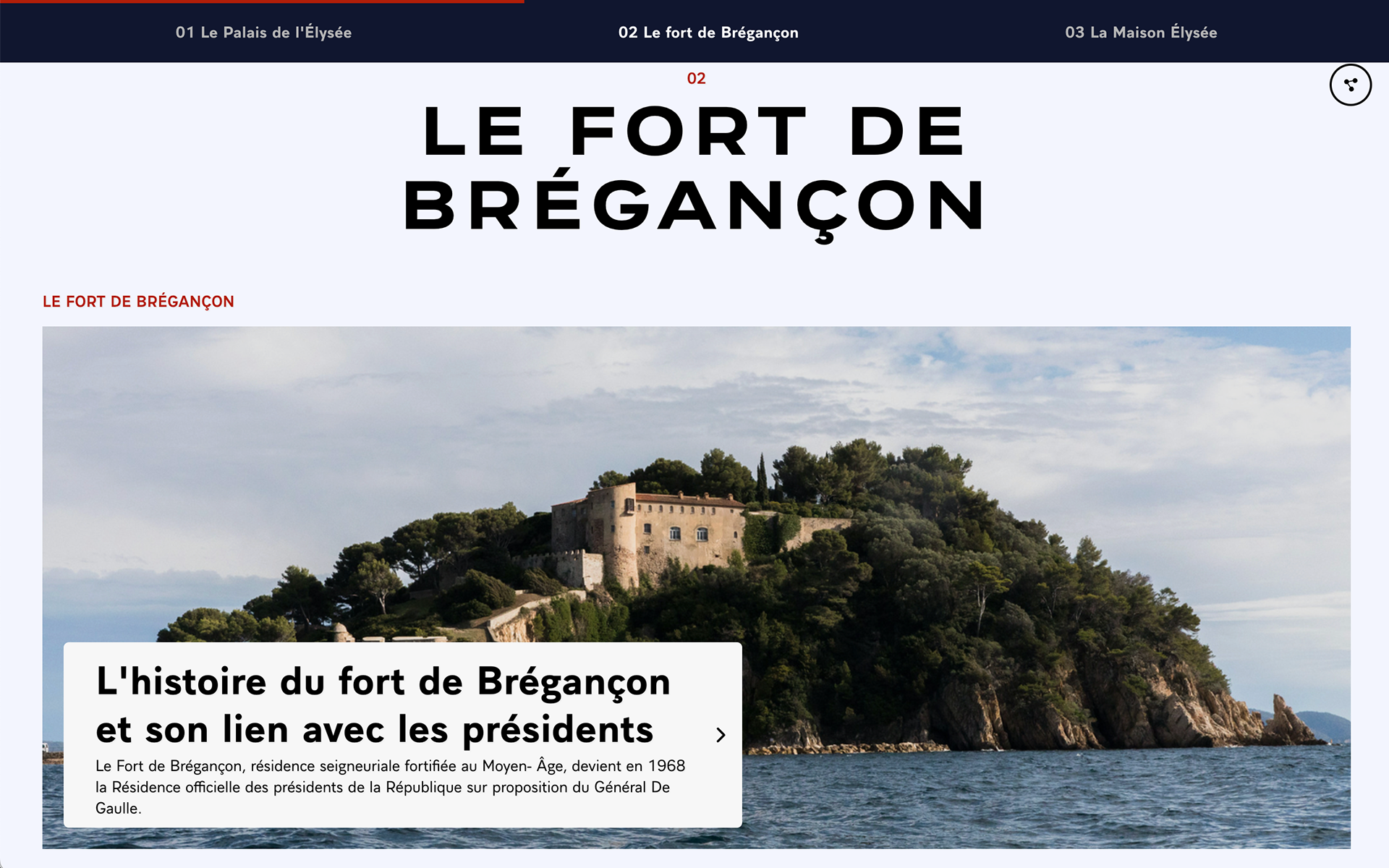
The project required a carefully structured information architecture designed to serve diverse audiences, from journalists and diplomats to students and citizens, while maintaining clarity and coherence across all content types. Close collaboration between editorial, design, and development teams, through dedicated workshops, broke down traditional silos and kept both creative vision and operational rigor aligned from start to finish.
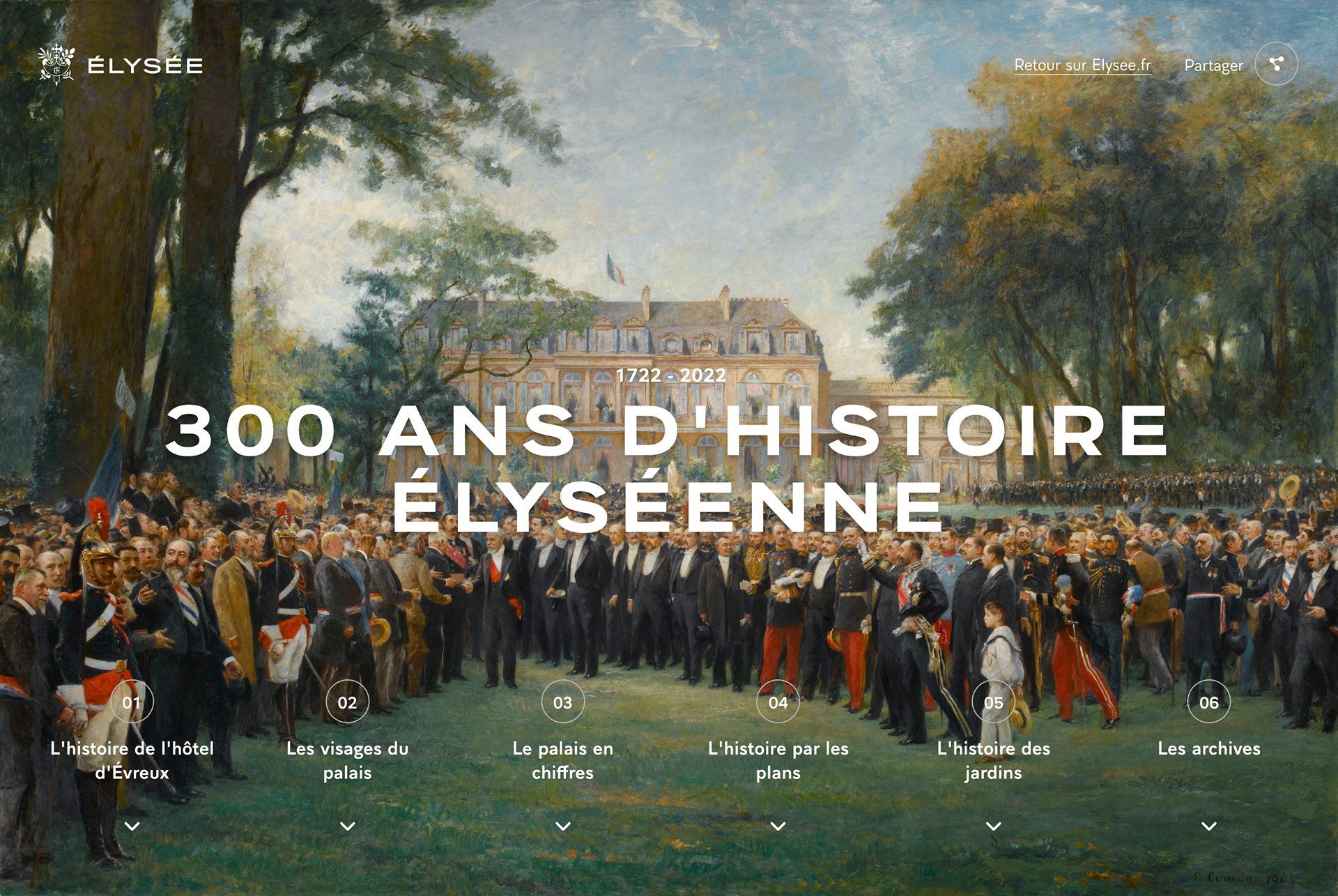
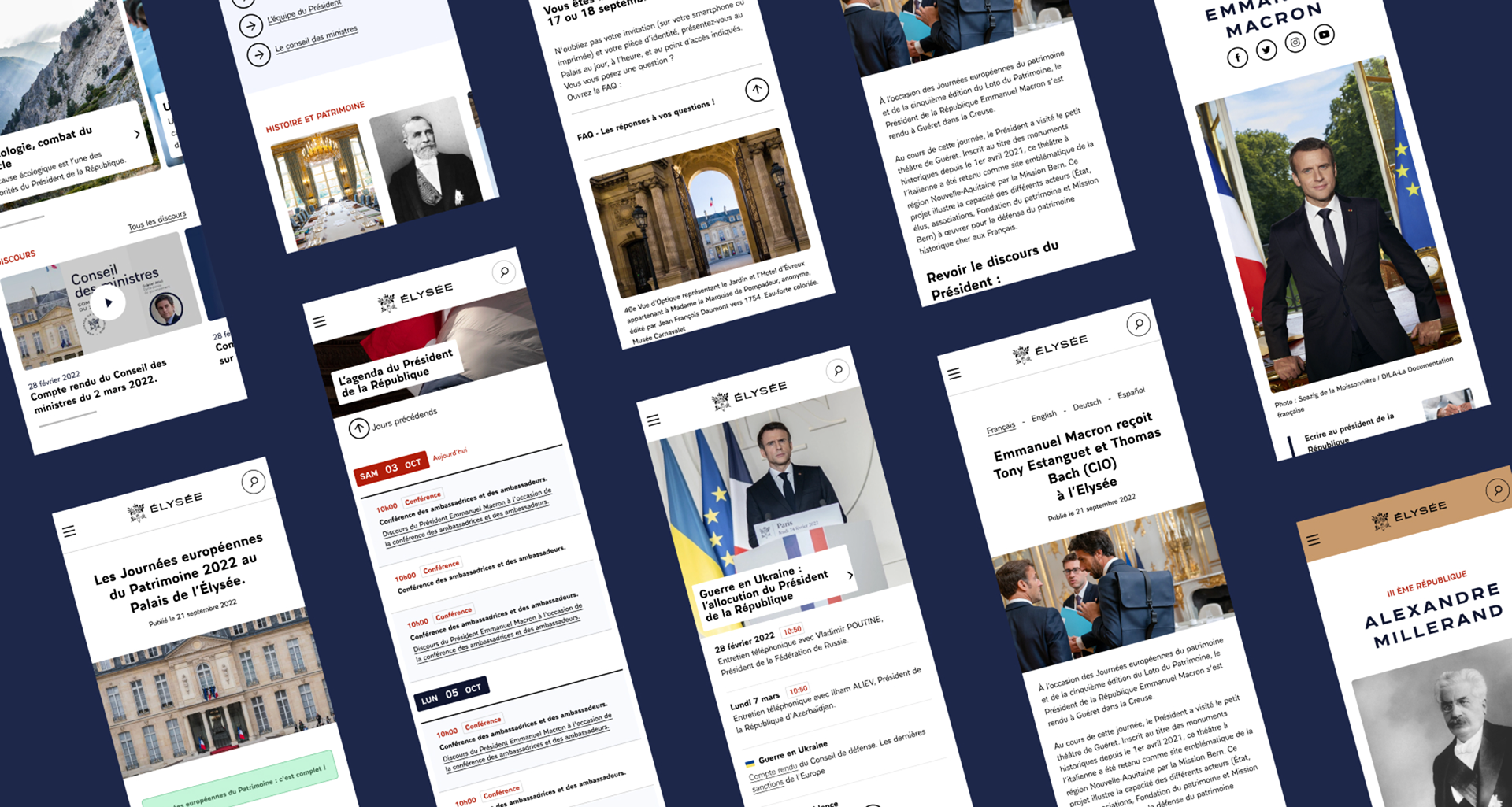
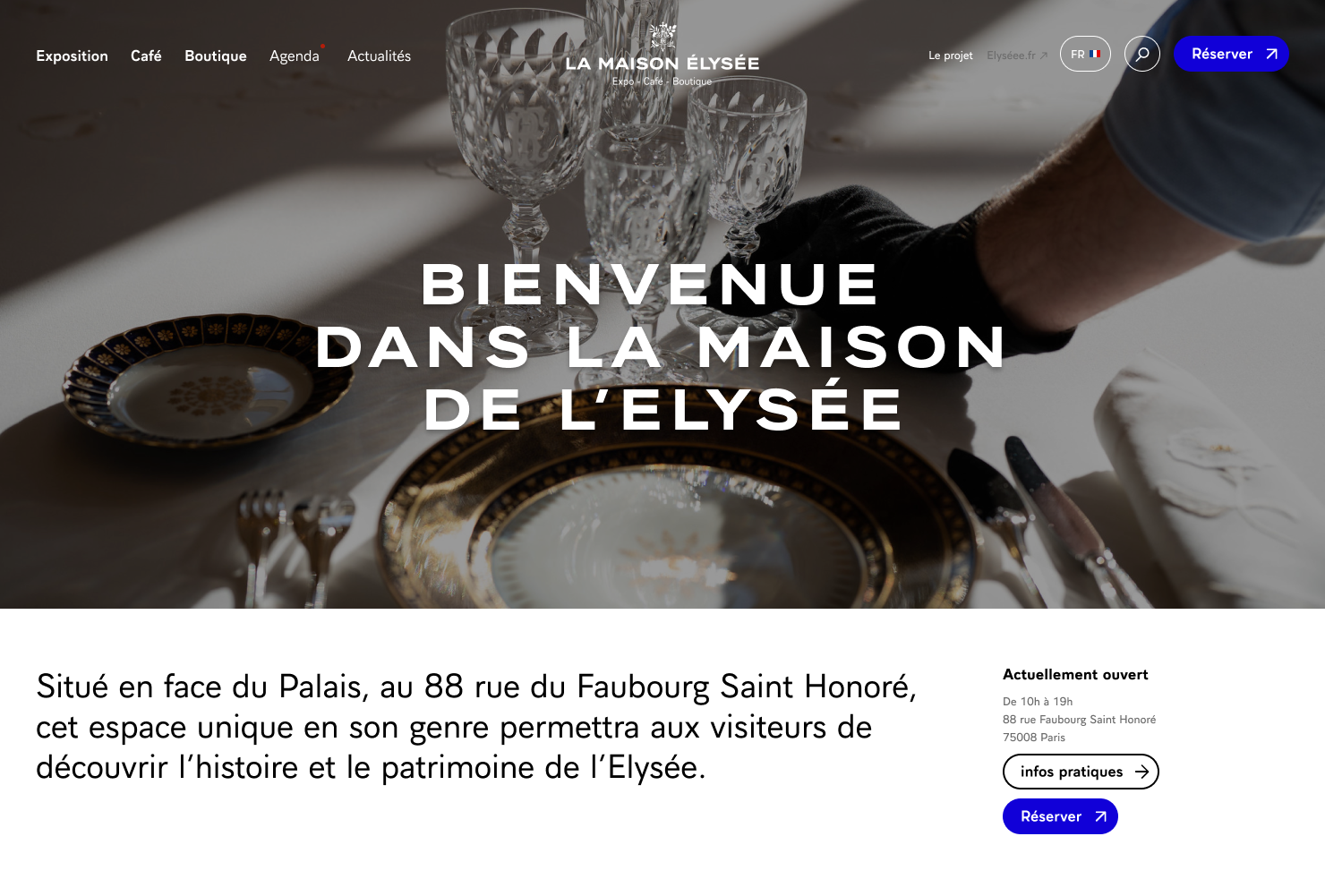
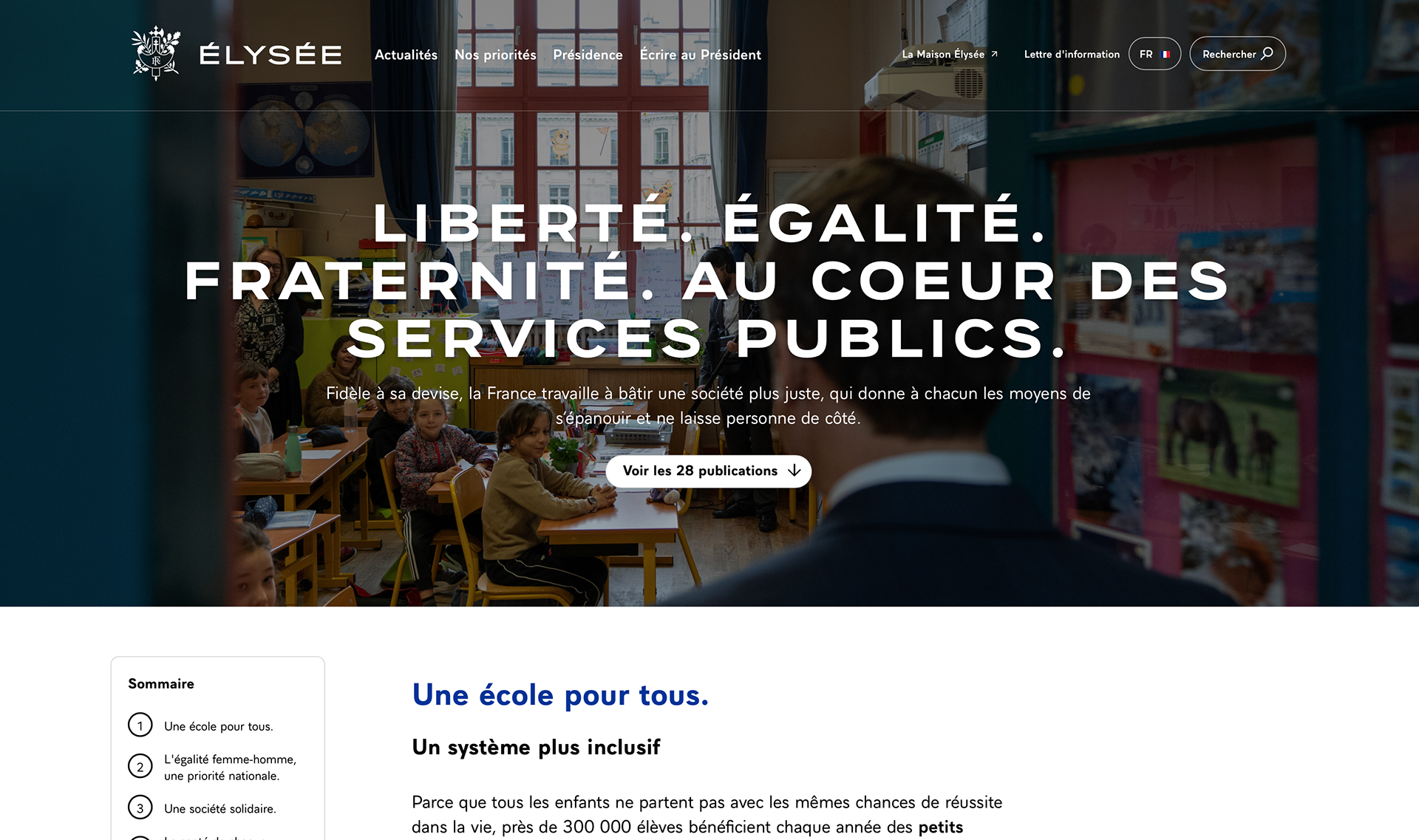
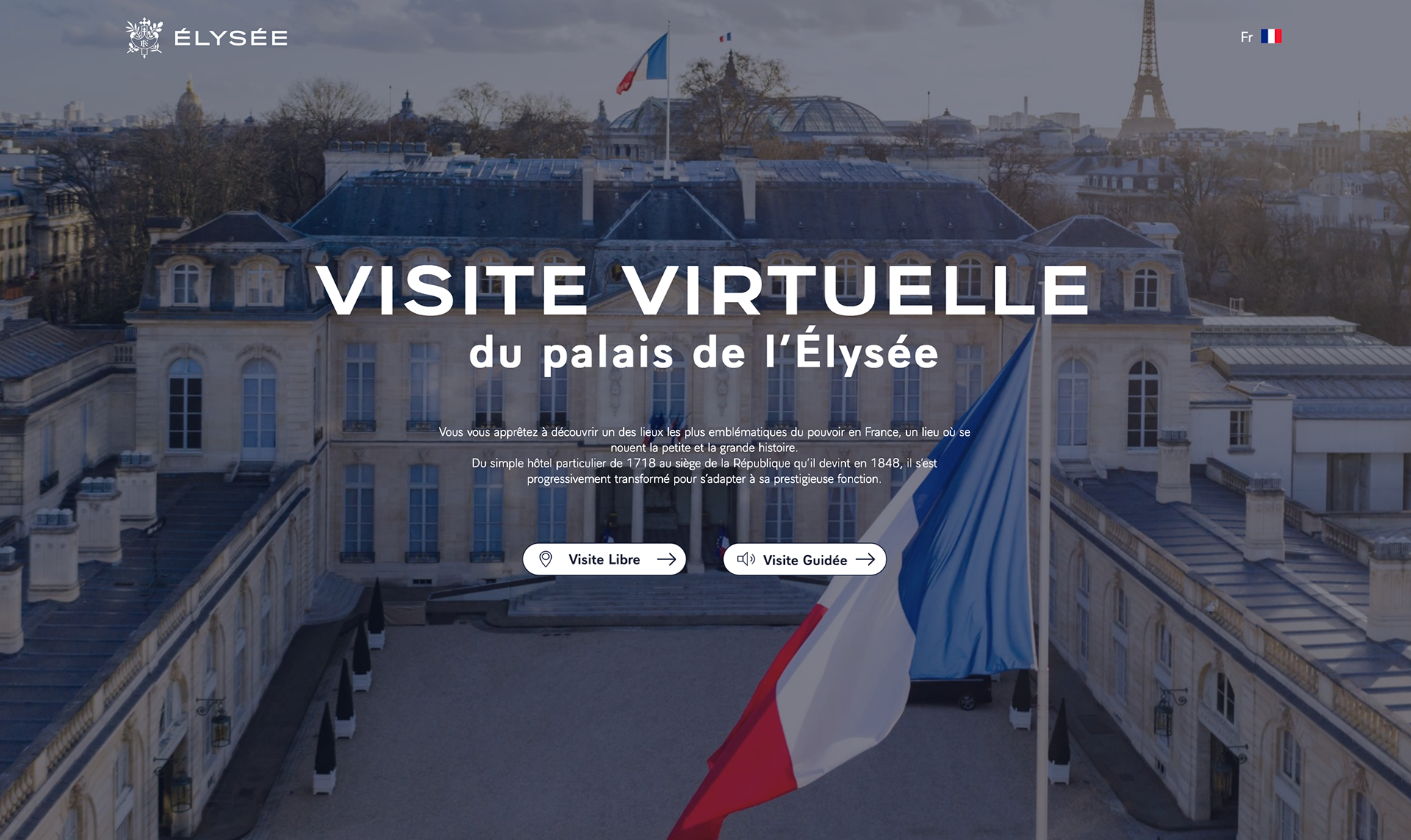
The platform was built for performance, security, and scale, with infrastructure capable of handling peak traffic during major presidential events. The mobile experience was designed natively from the ground up, and every section met strict accessibility standards (RGAA). A headless CMS gave editorial teams full autonomy to publish content at any time, while the multimedia pipeline seamlessly handled video, photography, and documents at scale.
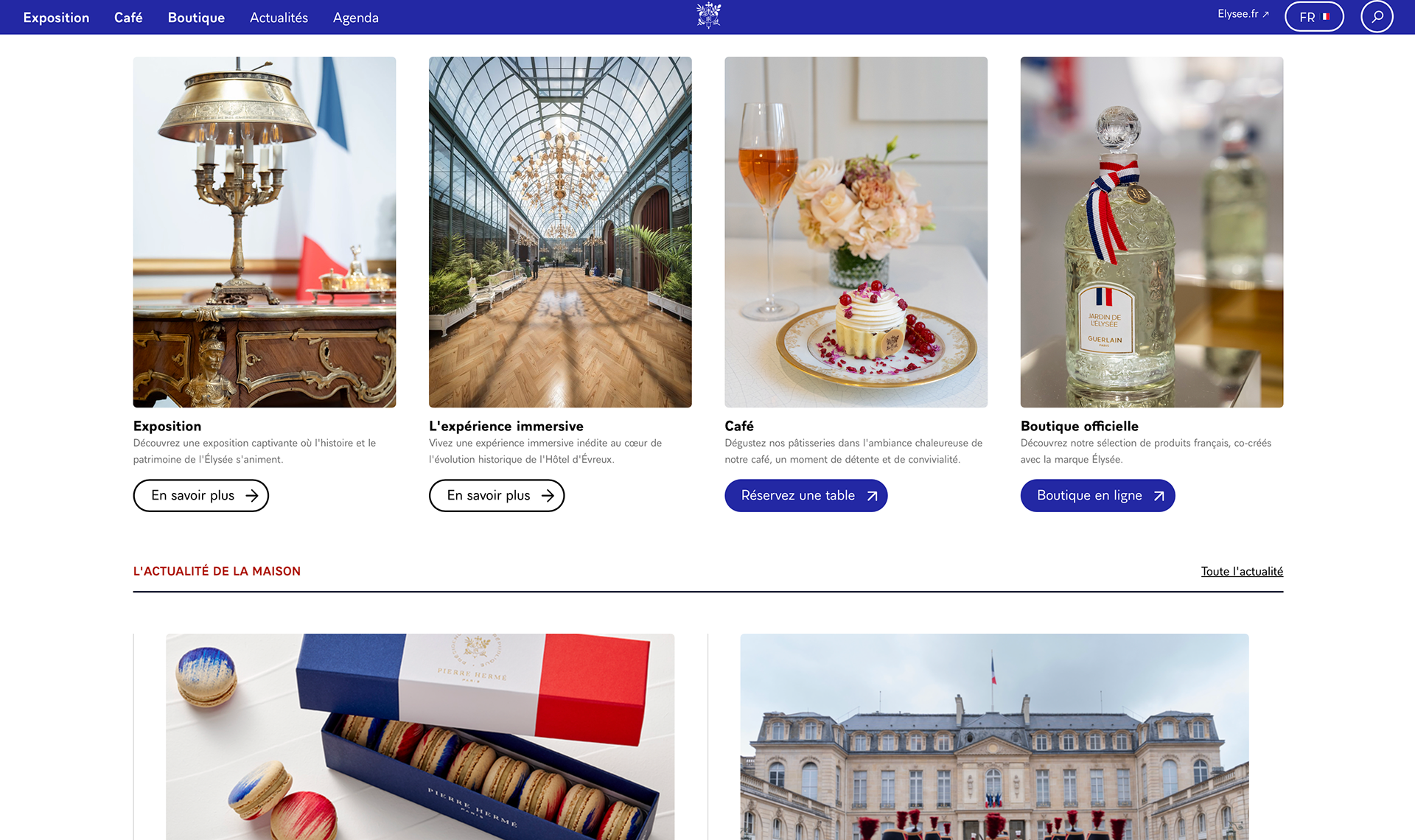
This dimension of the project was a reminder that great digital design, at its highest ambition, is not merely a technical or aesthetic exercise, it is an act of cultural stewardship. A conviction carried throughout by David Basso (Studio Diderot), in co-production with Studio Ability, who have brought this vision to life together.
__________
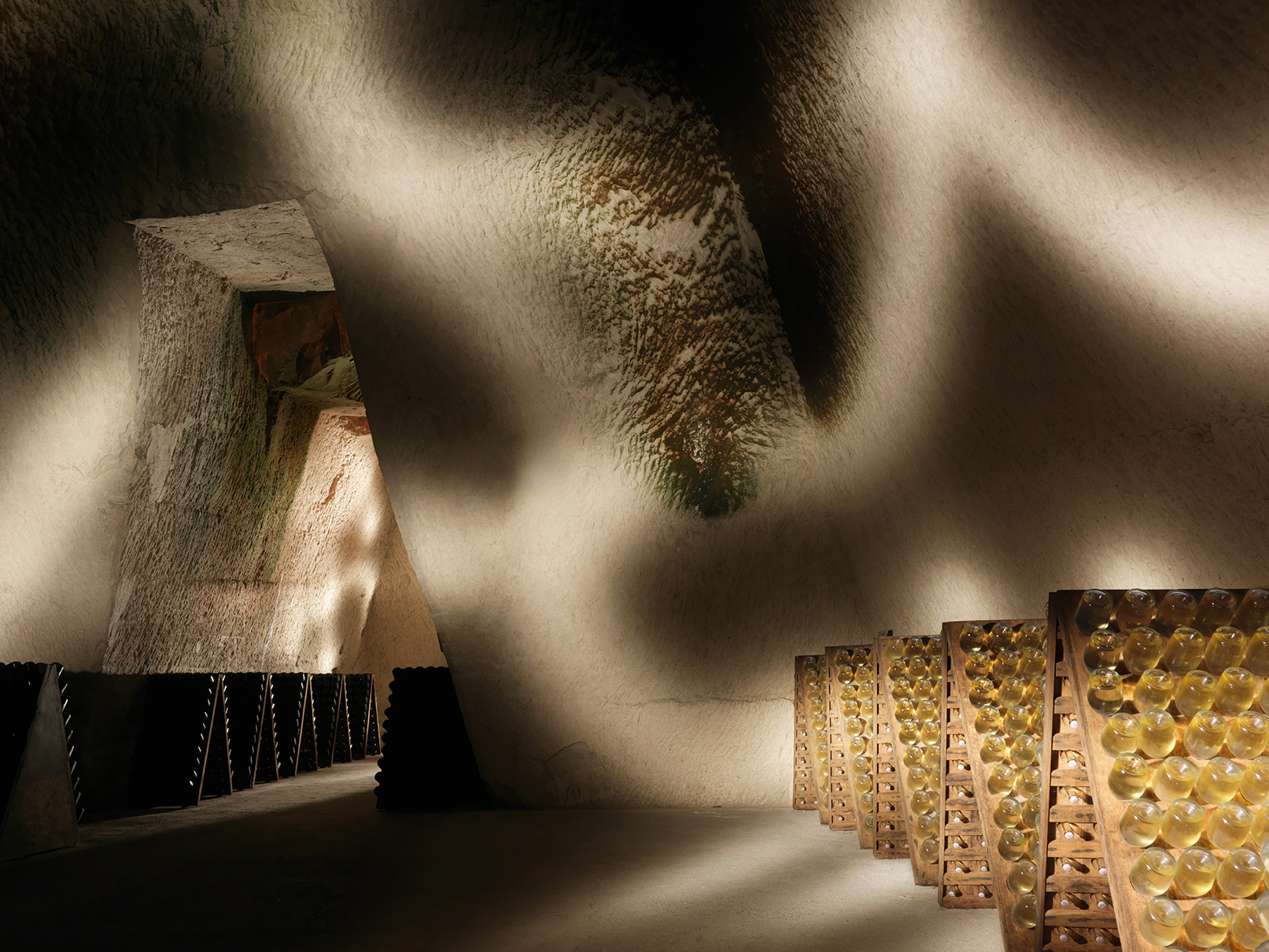
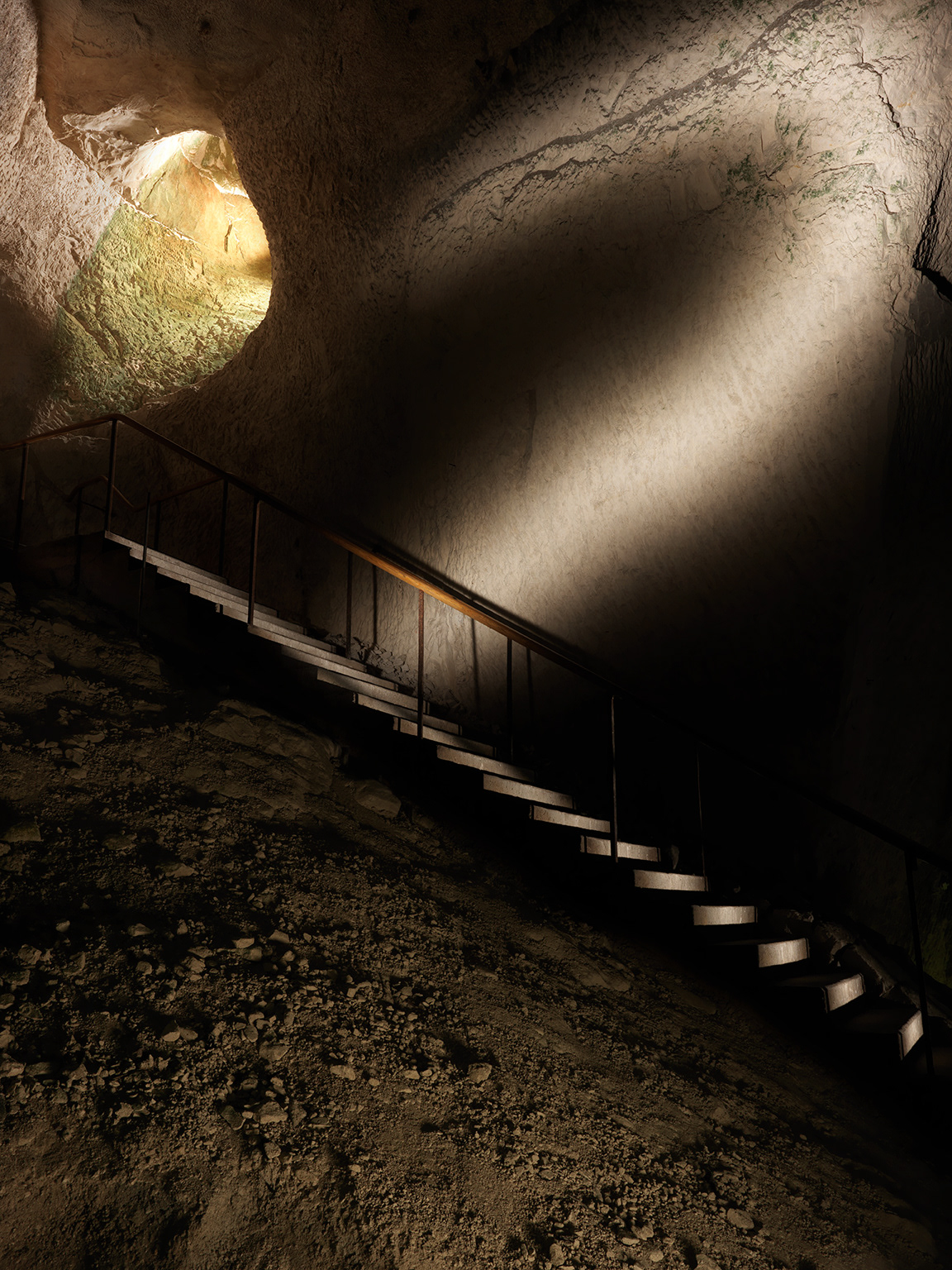
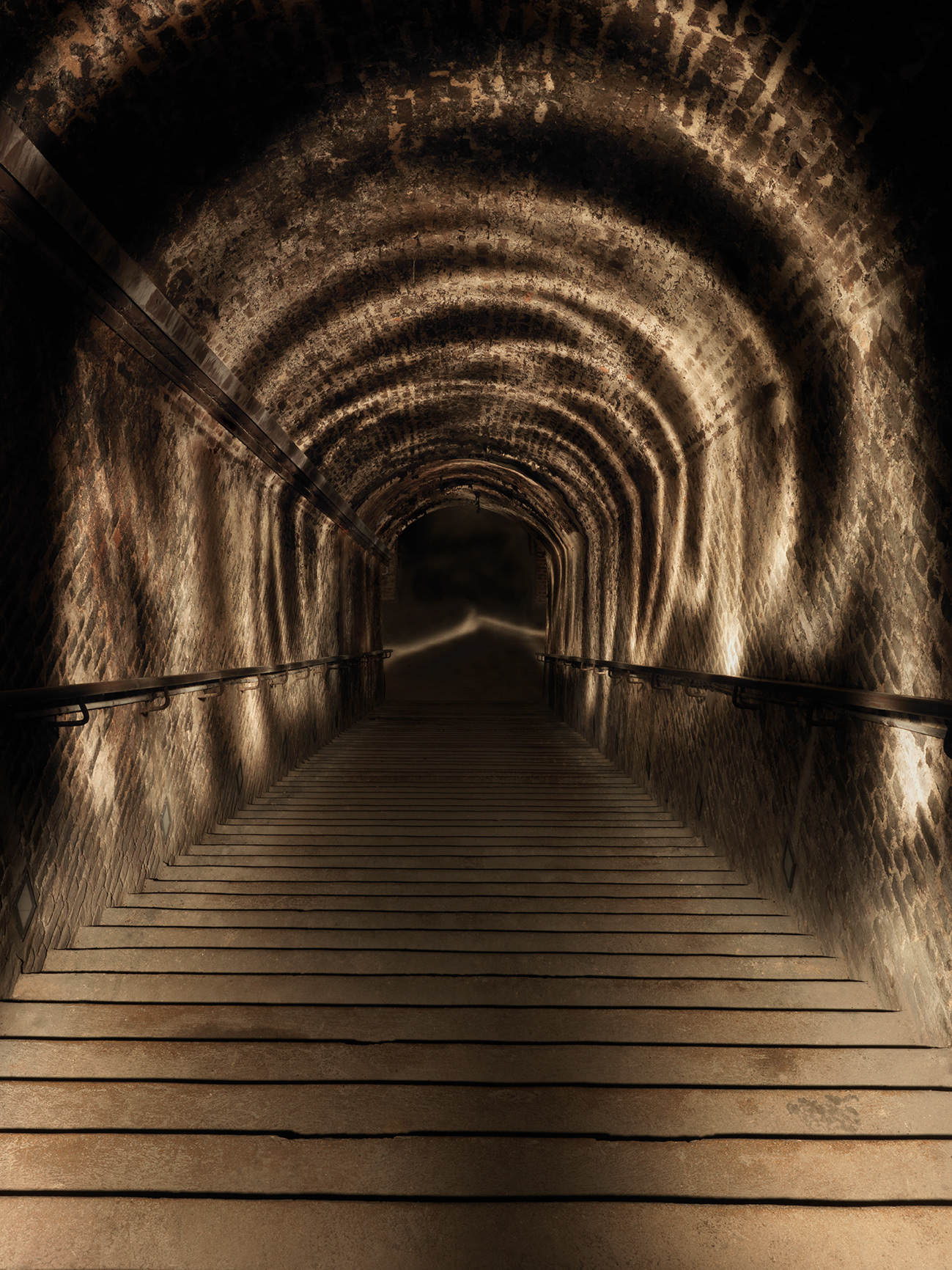
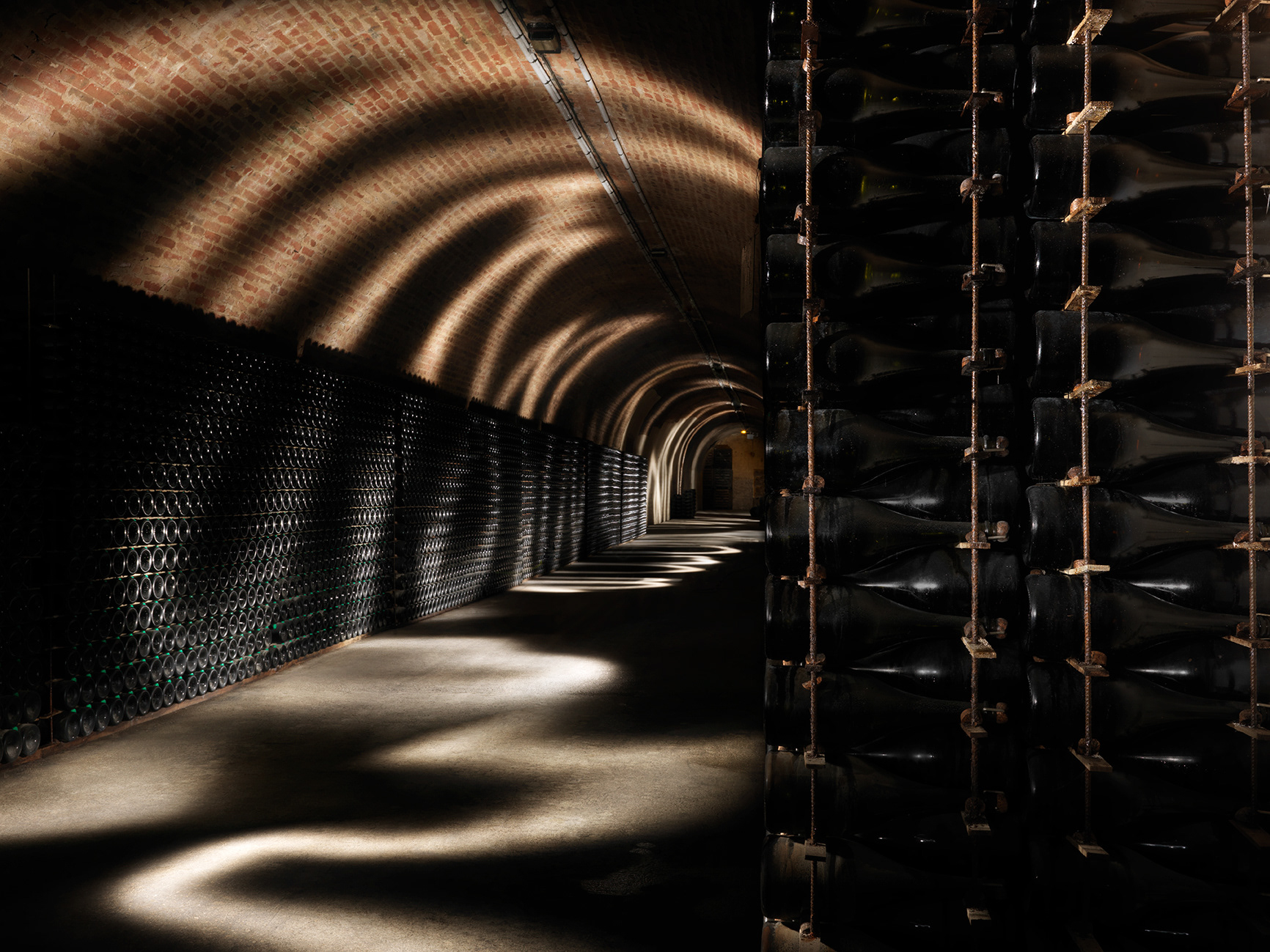
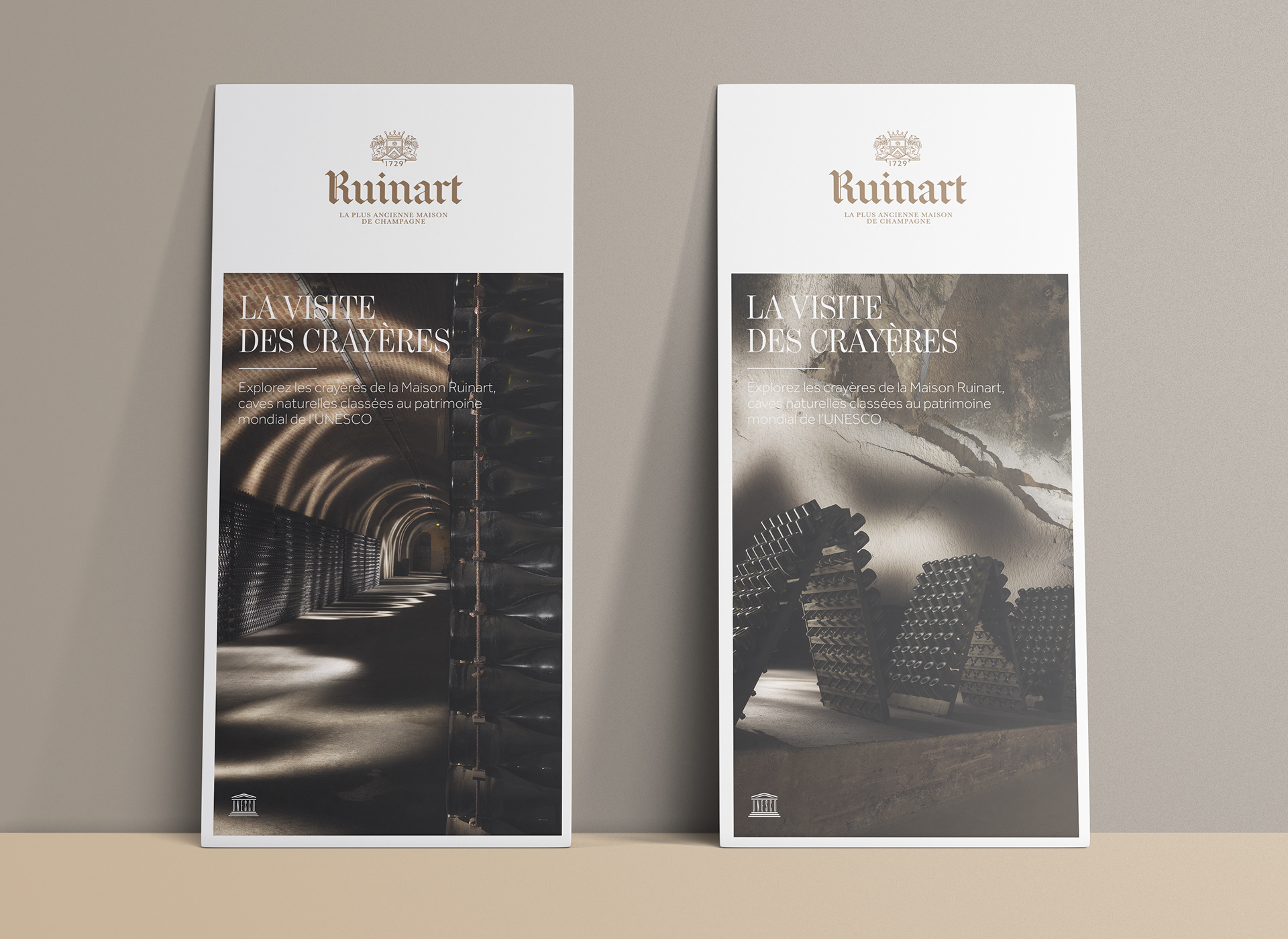
Explore the crayères of the Maison Ruinart natural cave listed as a UNESCO World Heritage Site
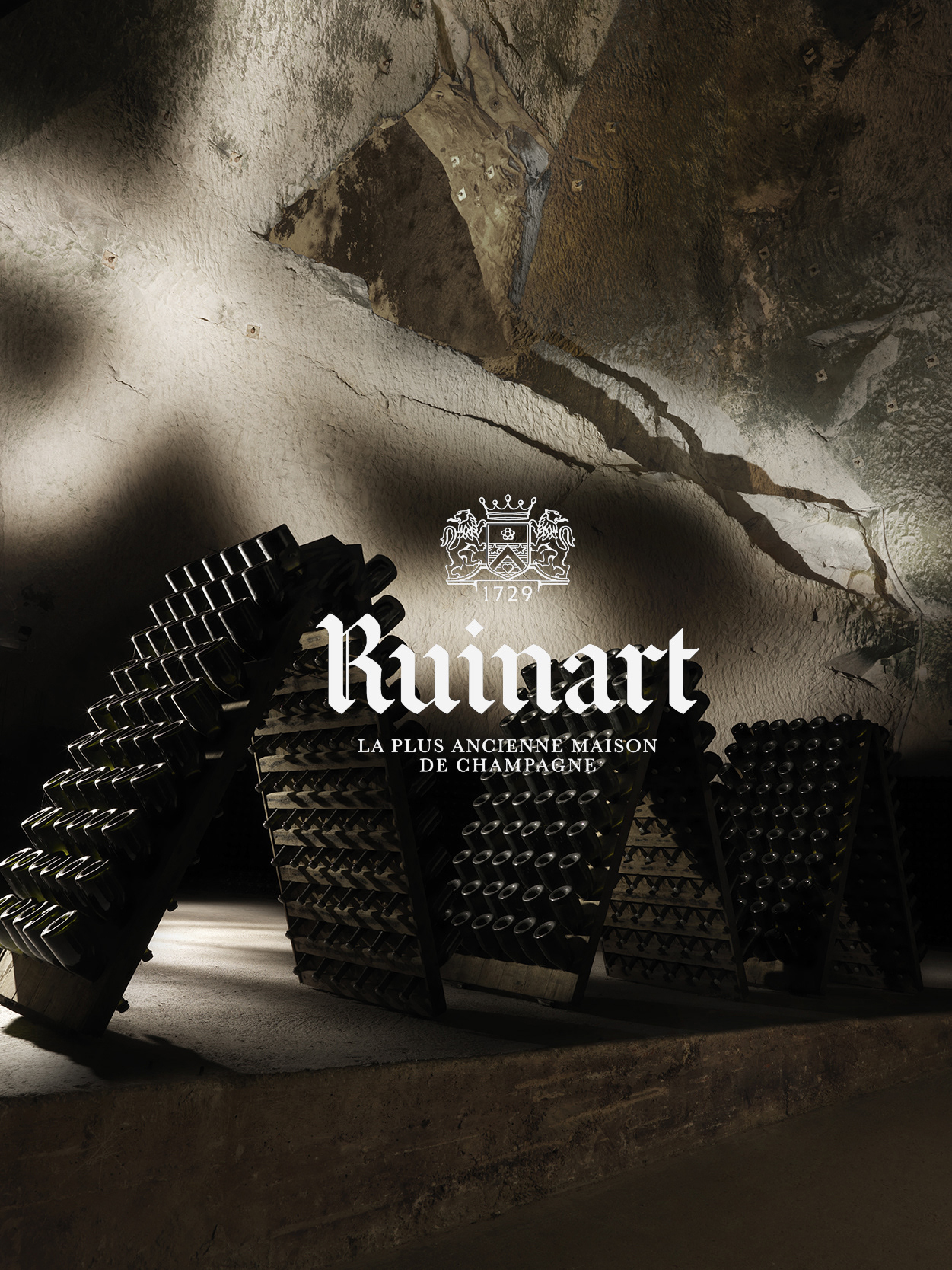
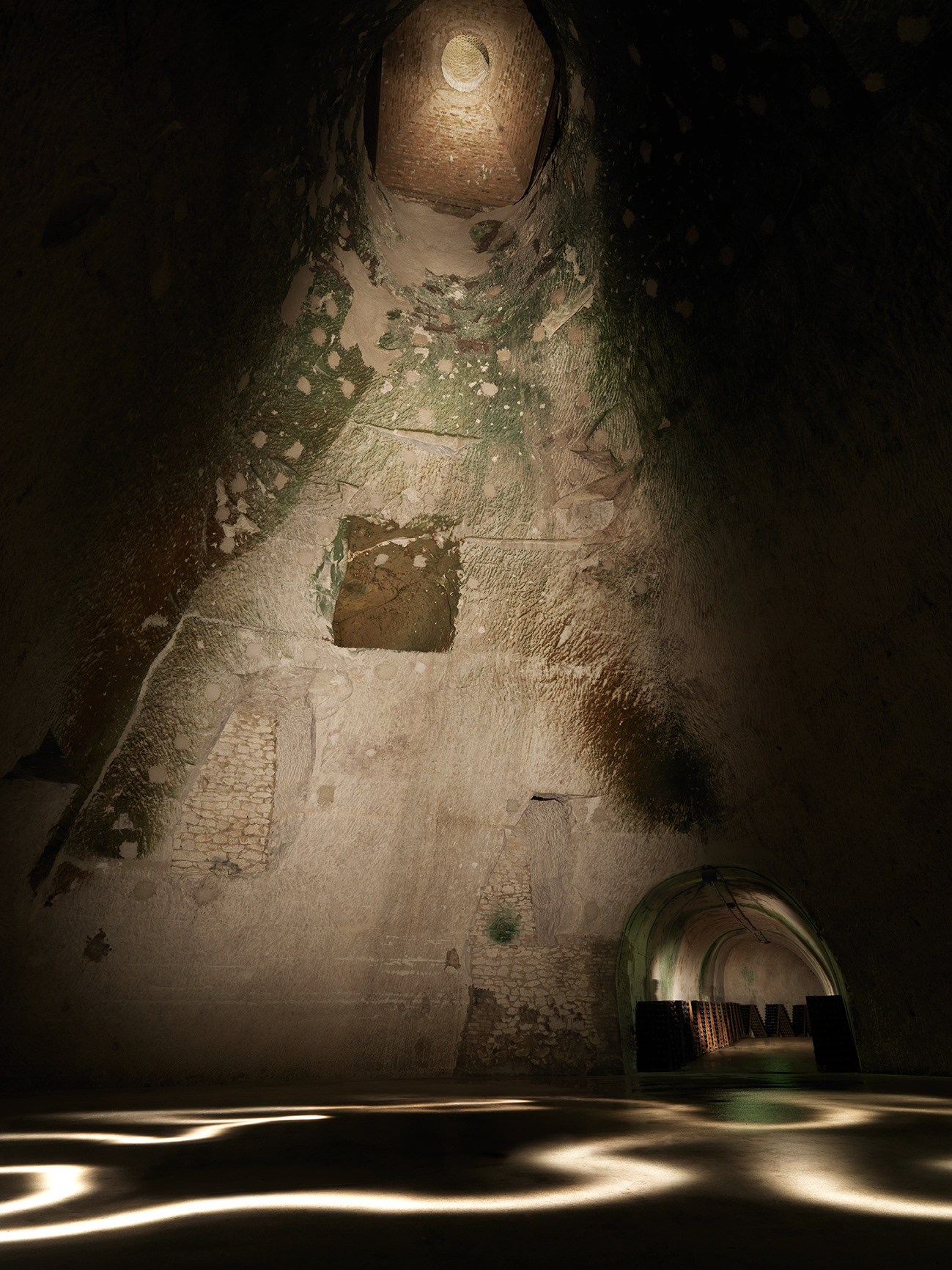
Studio Diderot was commissioned by Maison Ruinart to craft the visual identity of its legendary crayères. Listed as a UNESCO World Heritage Site, these extraordinary chalk galleries demanded a visual approach equal to their significance. Led by a strong art direction, the project called for an intimate dialogue between light and chalk, shaping each image to reveal the depth, texture and quiet grandeur of these underground spaces. Every photograph was composed with precision, turning these ancient walls into a timeless visual narrative worthy of one of Champagne's most iconic houses.

__________
Musée du Quai Branly, Tatoueurs Tatoués
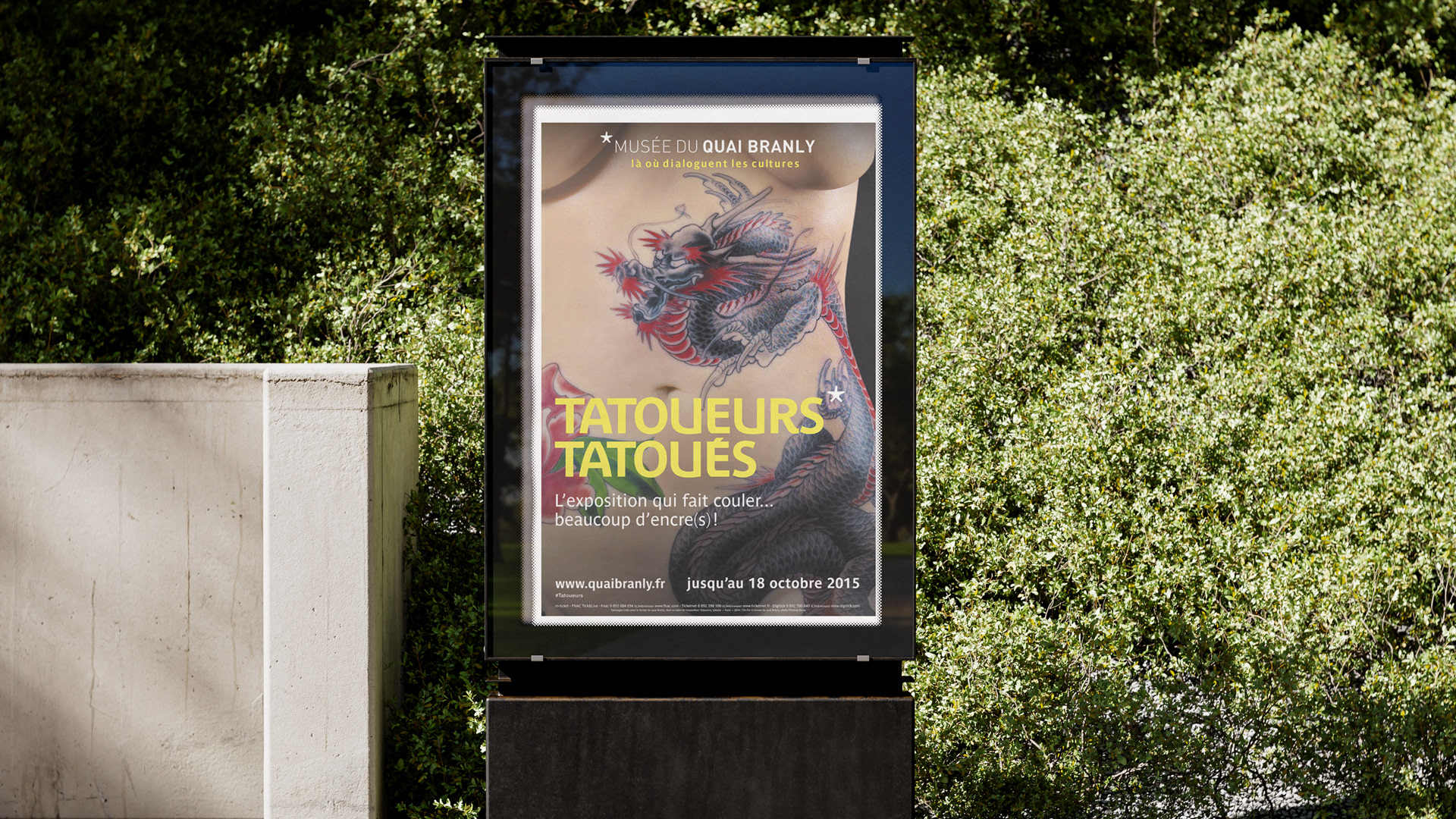
Tatoueurs, Tatoués, Musée du quai Branly
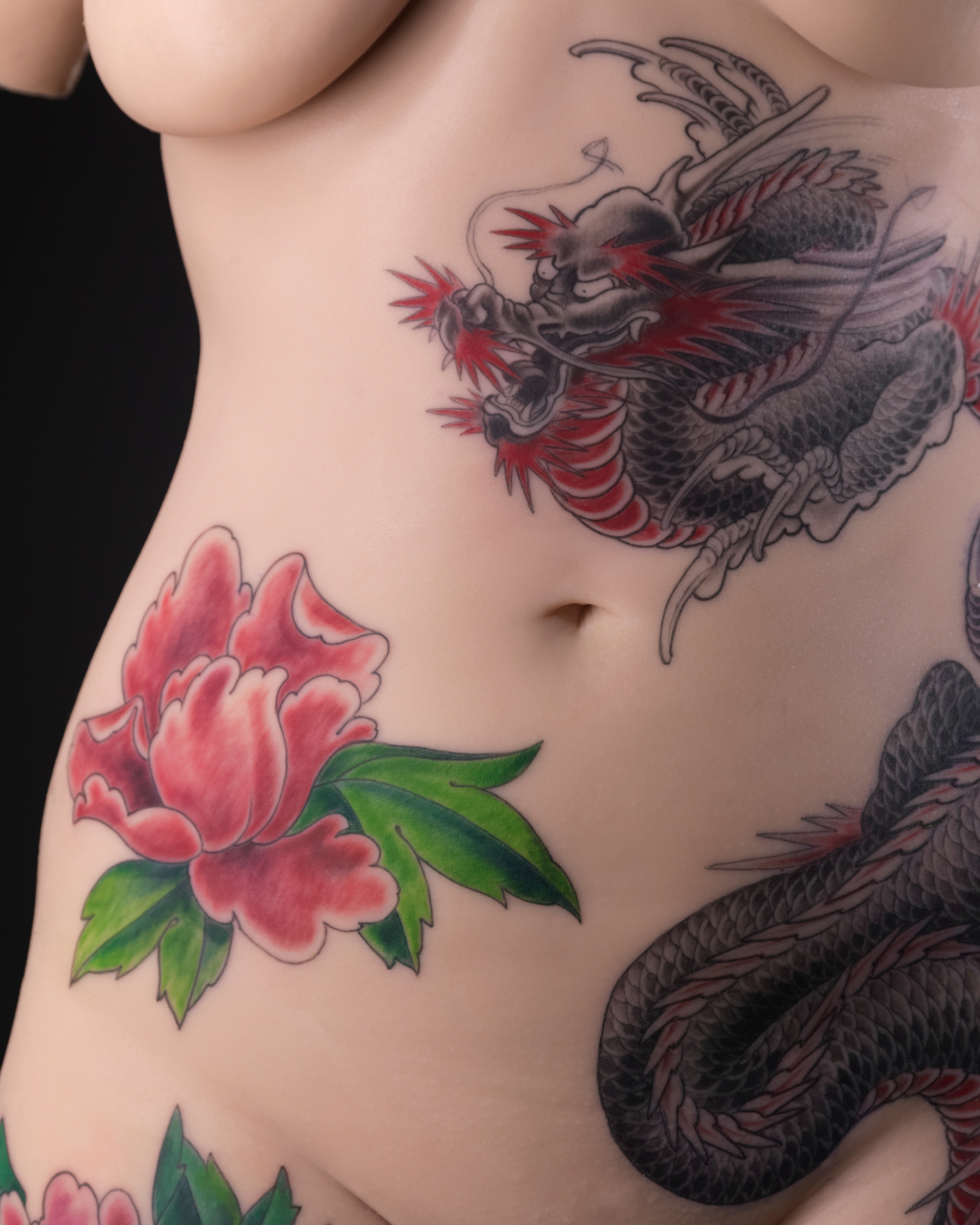
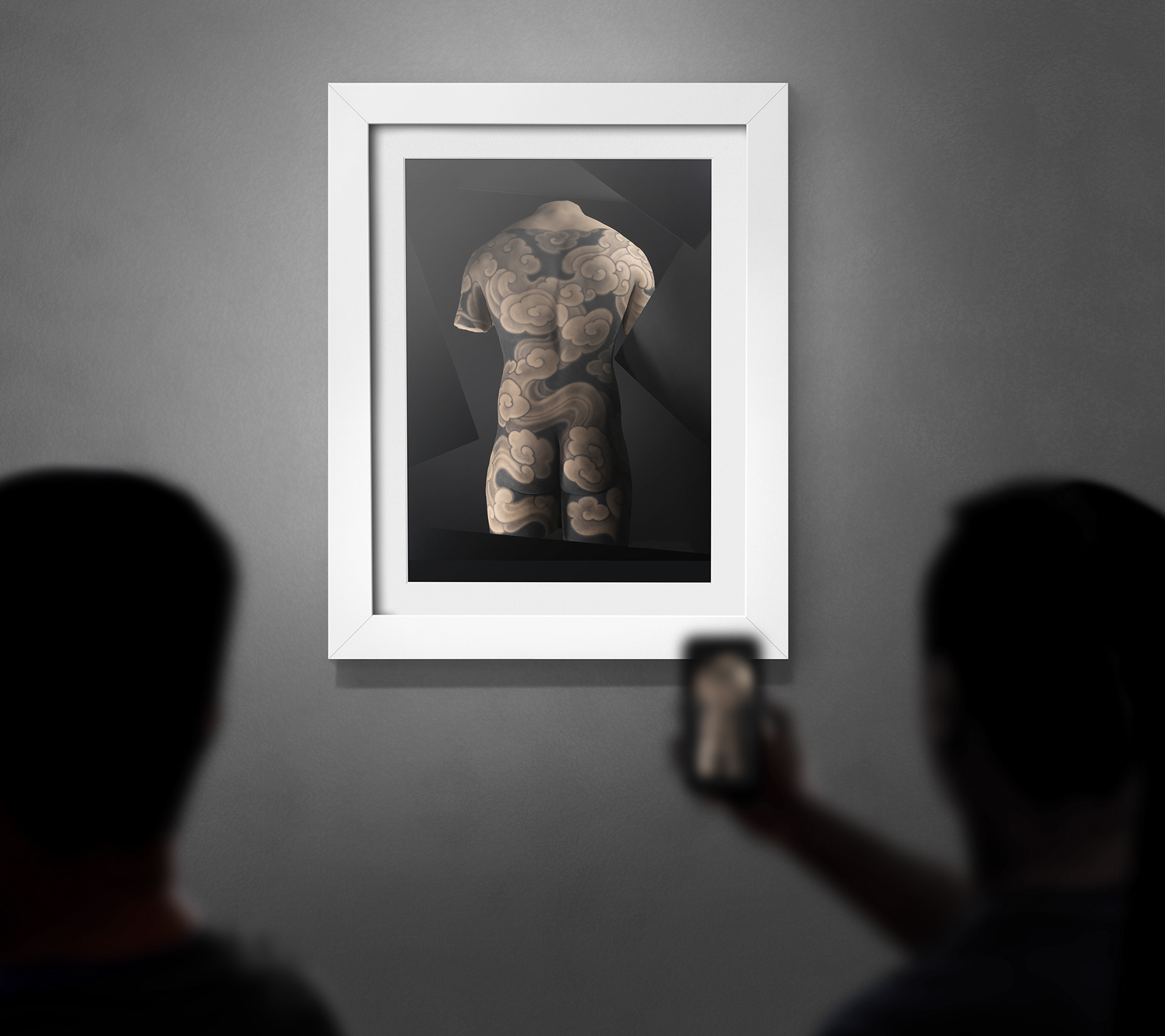
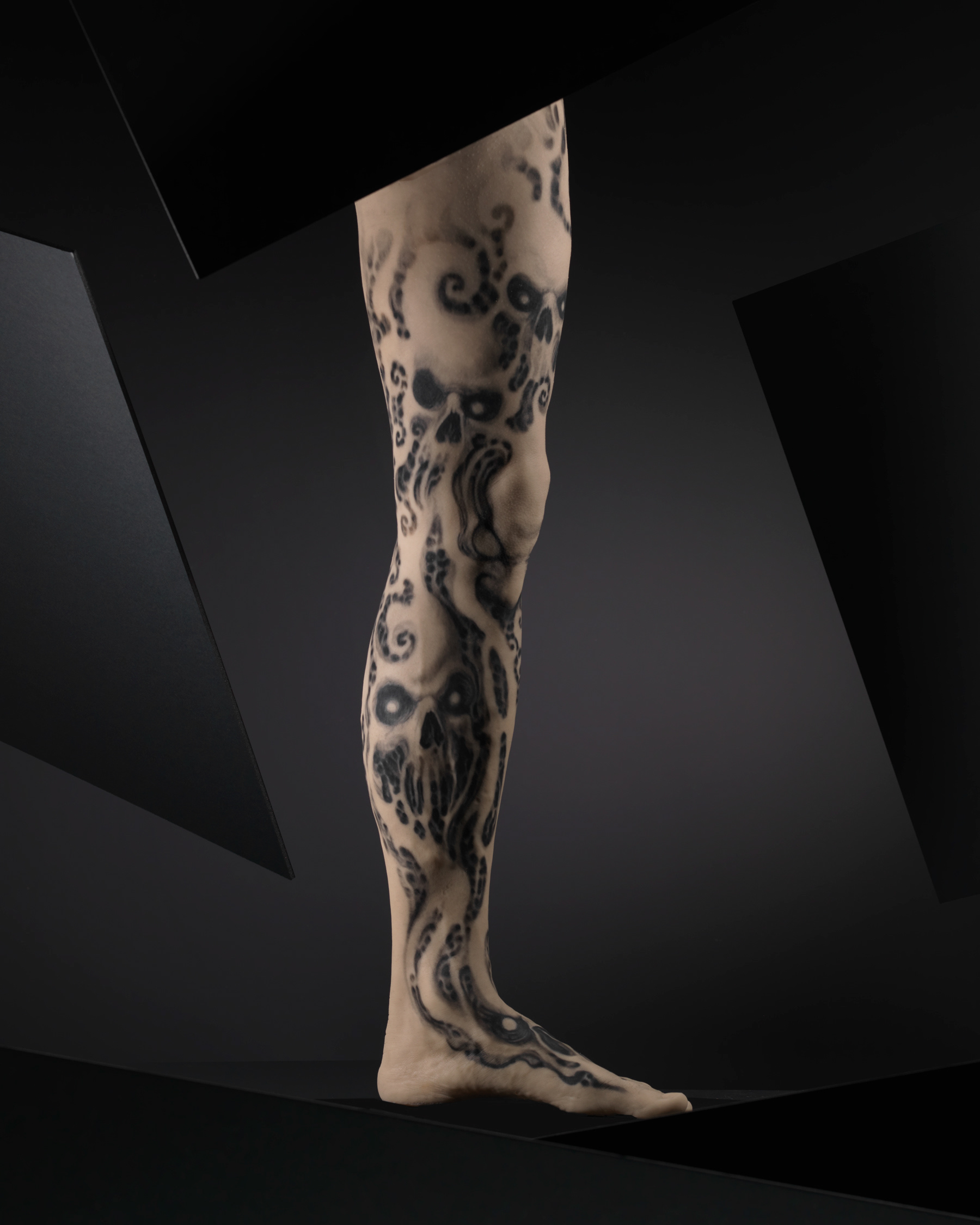
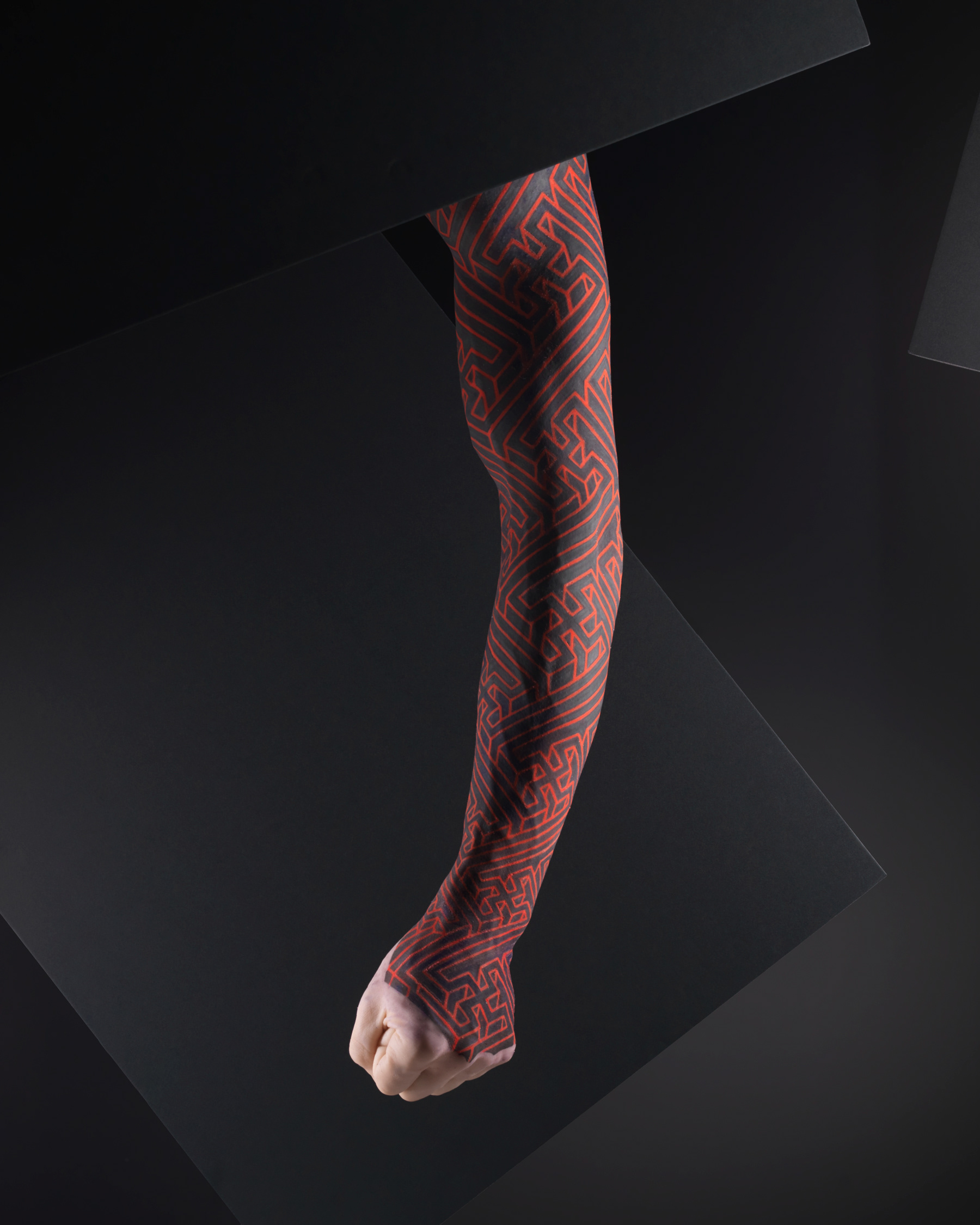
A landmark exhibition bringing together over 180 historical and contemporary works, exploring tattooing as an ancestral practice and artistic creation across cultures and time periods. A major event that attracted nearly 2 million visitors worldwide Held at the Musée du quai Branly, a Parisian museum dedicated to the arts and civilizations of Africa, Asia, Oceania, and the Americas..
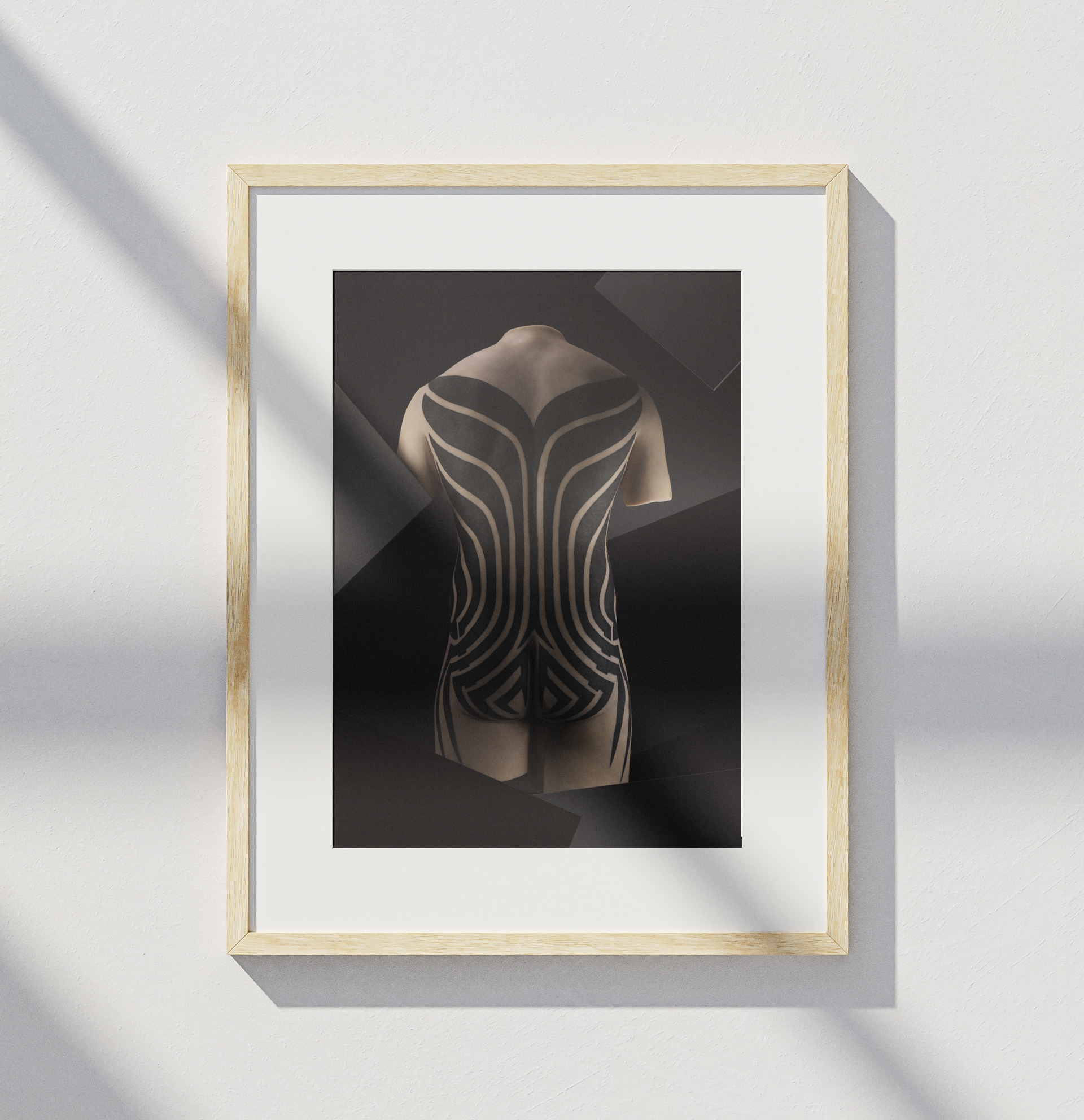
Studio Diderot was commissioned to produce all the visuals for the exhibition.
__________
The Arch of Maison Ruinart, a Collaboration with Piet Hein Eek
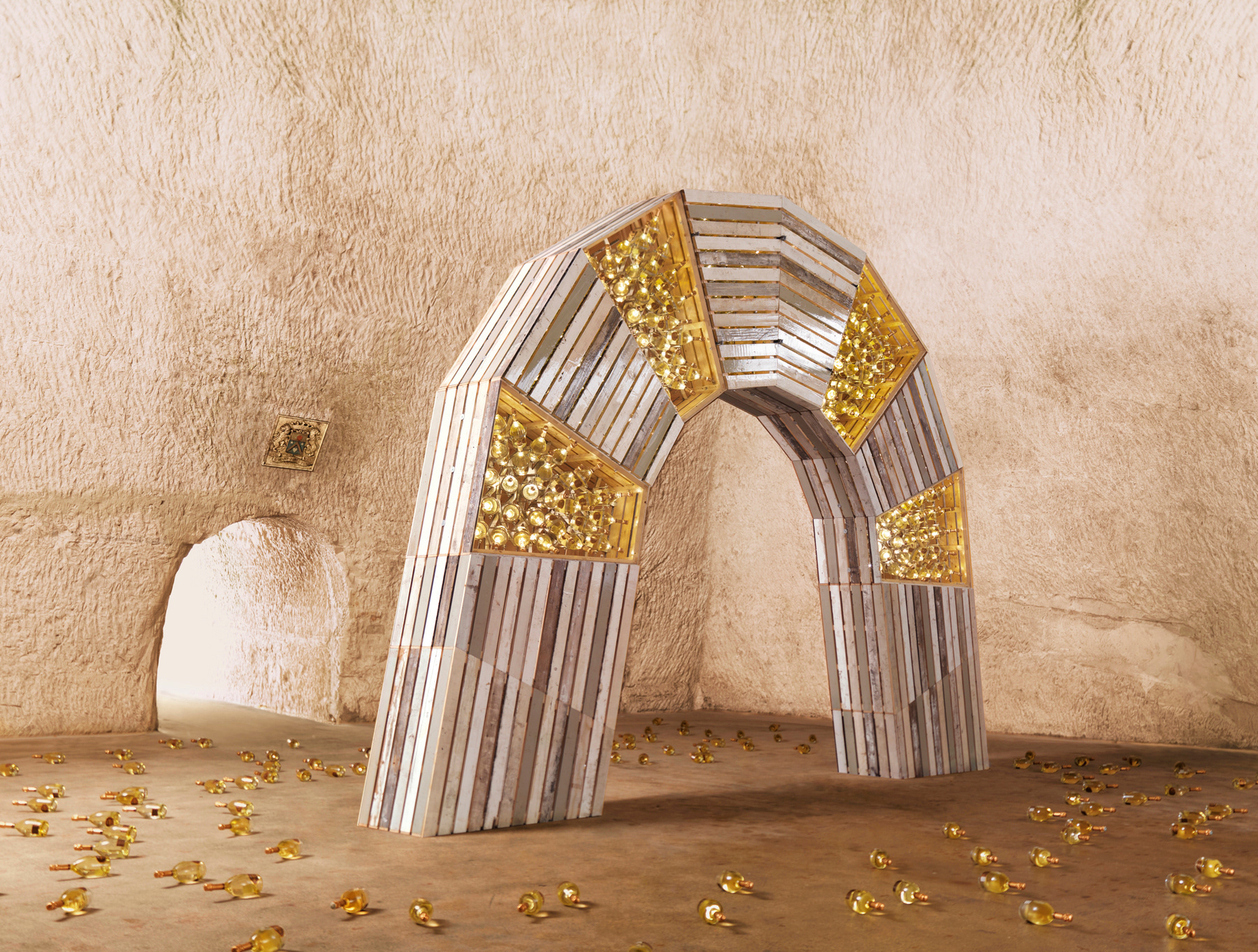
Maison Ruinart invited Dutch designer Piet Hein Eek, known for his work with reclaimed wood, to create a monumental artwork celebrating a milestone in the House's history: in 1769, Ruinart became the first Champagne house to ship its bottles abroad in individual wooden crates, rather than wicker baskets. From this story came The Arch of Maison Ruinart, a sculpture 7 meters wide and 5 meters high, made of eight trapezoidal modules of reclaimed wood, hand-assembled. Its form echoes the entrance to the Reims chalk cellars, where Ruinart Champagne ages. At its center, 224 bottles of Blanc de Blancs are illuminated, set against pale grey, white and cream tones that mirror the cuvée's own hue. Alongside this centerpiece, the artist also designed individual cases shaped precisely to each bottle, as well as diamond-shaped compositions for the Rosé.
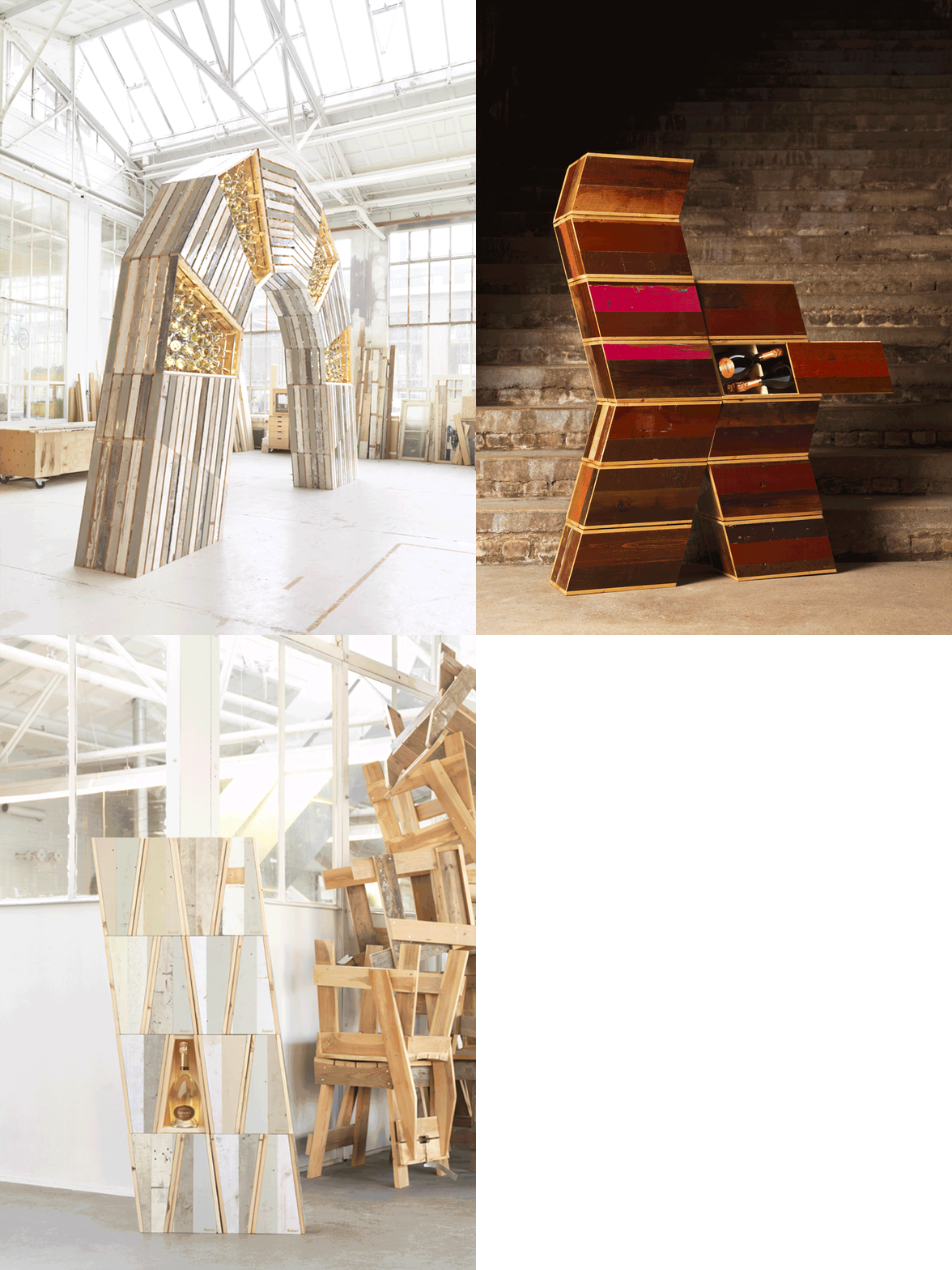
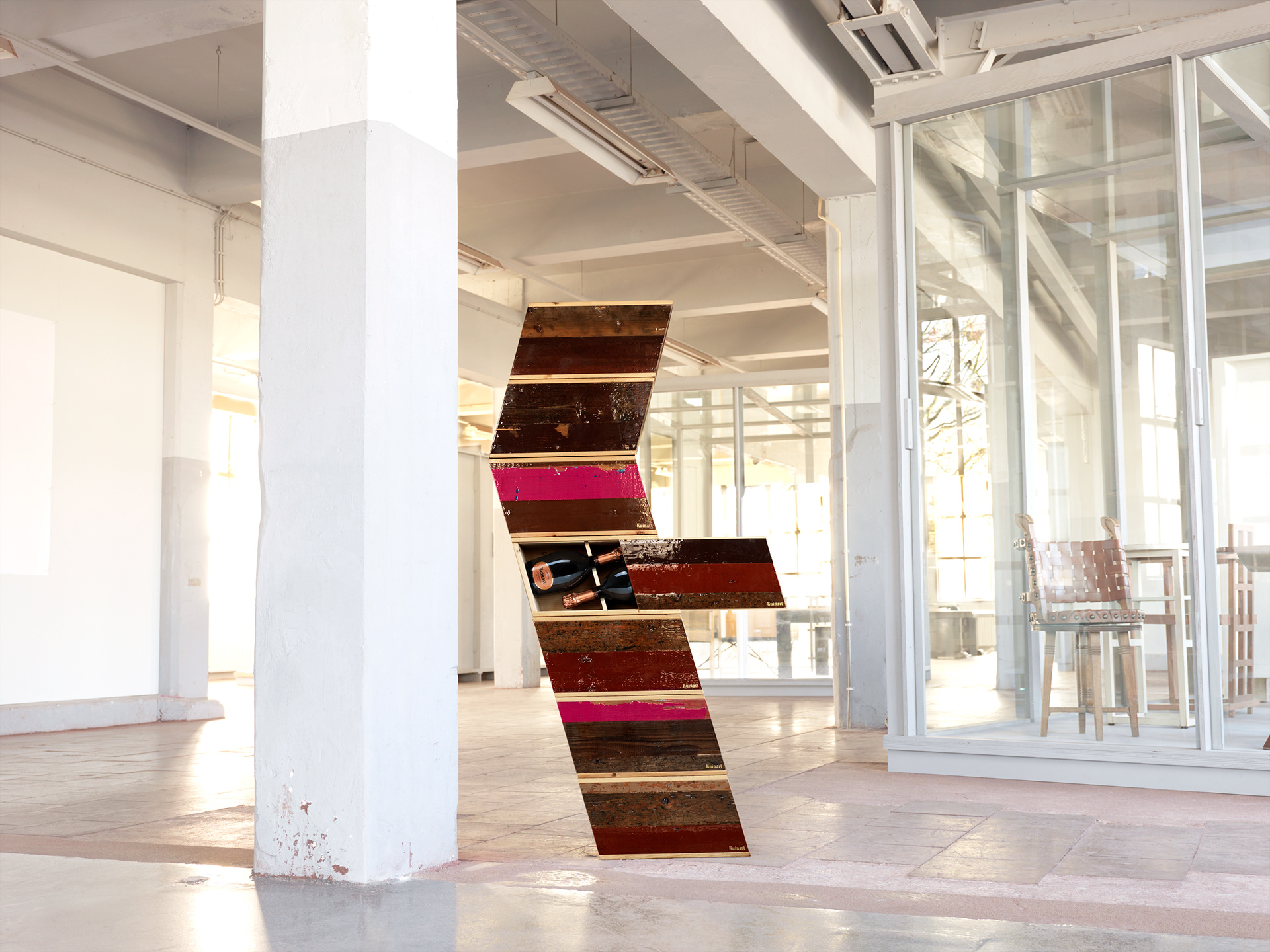
This collaboration is part of a long tradition of patronage: as early as 1896, Ruinart commissioned Alphonse Mucha to create the first advertising poster in Champagne history. Since then, the House has invited numerous artists to bring their perspective to its world, Maarten Baas, David Shrigley, Liu Bolin, Jeppe Hein, Tadashi Kawamata continuing a dialogue between art, nature and craftsmanship that lives on today at its Reims estate, leading up to its 300th anniversary in 2029.